Android automation software significantly streamlines daily tasks, allowing users to perform repetitive actions automatically without manual intervention. This leads to enhanced productivity, reduced effort, and the ability to focus on more important activities.
Understanding the Need for Automation in Daily Tasks
Identifying Repetitive Tasks That Can Be Automated
In our fast-paced digital environment, many Android users face a multitude of repetitive tasks that can rob them of valuable time. Common examples include sending routine messages, launching regular apps at specified times, adjusting settings based on location or time of day, and managing notifications. By identifying these tasks within your daily routine—such as auto-replying to messages during specific hours or adjusting sound profiles when entering an office—you can leverage Android automation software like MadHub to free up significant amounts of time.
Getting Started with Android Automation Software
Choosing the Right Automation Tool for Your Needs
When it comes to selecting an automation tool for Android devices, options abound. Popular choices include platforms like MadHub due to its user-friendly interface and comprehensive features tailored for social media management. Key features you should consider include:
- User Interface: Is it intuitive enough for beginners?
- Ease of Use: Does it allow quick setup without extensive training?
- Compatibility: Can it seamlessly integrate with other applications you frequently use?
MadHub stands out by supporting multiple platforms such as Facebook and Instagram while requiring no coding skills.
Setting Up Your First Automation Task
Step-by-Step Guide to Creating a Simple Automated Task
To set up your first task using MadHub—for instance, creating an auto-reply feature—follow these steps:
- Launch MadHub on your Android device.
- Navigate to the dashboard where you'll see options for various automations.
- Select “Create New Task.”
- Choose “Auto-Reply Message” from the templates provided.
- Input your desired message content (e.g., "I'm currently unavailable but will get back shortly").
- Set conditions under which this message should be sent (e.g., during certain hours).
- Save and activate the task.
These straightforward steps make it easy even for novices to automate their messaging efficiently.
Advanced Automation Techniques for Enhanced Productivity
Automating Complex Workflows Using Triggers and Actions
Automation goes beyond simple task execution; advanced techniques involve setting triggers that initiate complex workflows based on specific events or conditions—like scheduling posts across different social media channels integrated through MadHub’s capabilities.
For example:
- Schedule a post every Monday at 9 AM.
- Trigger action based on follower interactions over a week.
- Automatically adjust posting frequency depending on engagement metrics collected by MadHub analytics.
This method not only saves time but enhances overall engagement strategy effectiveness through data-driven decisions.
Utilizing Existing Templates for Common Use Cases
Accessing Pre-built Automation Templates in MadHub
One of the significant advantages of using MadHub is its library filled with pre-built automation templates tailored towards various industries—from marketing campaigns to customer service interactions:
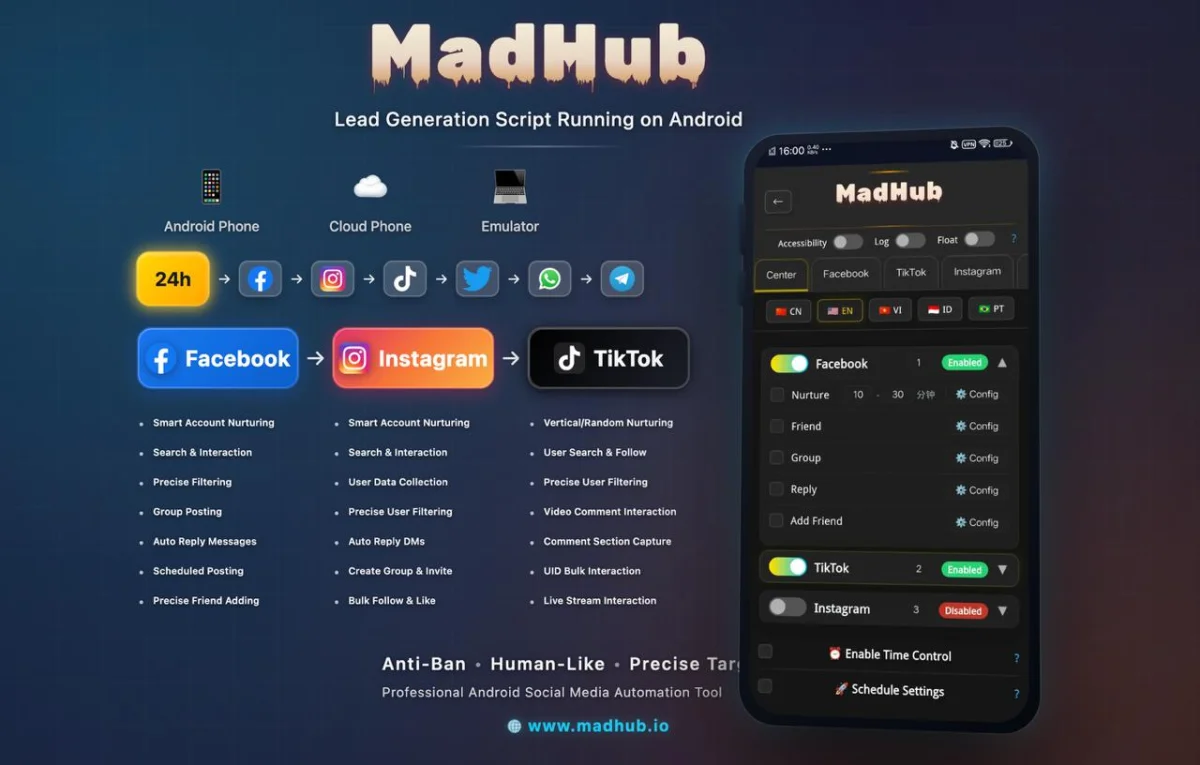
- Browse through categories relevant to your needs (e.g., Marketing).
- Select a template designed specifically for common scenarios like automated responses or content publishing schedules.
- Customize fields according to brand voice or specific requirements before deploying them across platforms effortlessly.
Using established templates allows you not only faster setup times but also provides tested methods ensuring higher success rates in whatever campaign you're running.
Enhancing Efficiency with Batch Processing Features
Automating Multiple Tasks Simultaneously
MadHub excels in batch processing capability—a feature allowing users like marketers or business owners who often juggle many tasks at once—to execute numerous operations simultaneously without any hassle:
- Group similar tasks together (like multiple social media posts).
- Define parameters such as timing intervals between each operation (for instance every hour) before starting batch processing via one-click activation within the app's interface.
This ensures all necessary communications are handled promptly while minimizing operational oversight!
Troubleshooting Common Issues in Android Automation
Identifying and Resolving Typical Challenges Encountered
Despite robust functionality built into automation systems like those offered by MadHub eradication issues may arise unexpectedly! Some practical troubleshooting approaches include:
- Ensuring proper internet connectivity if automations fail due sudden disconnections from Wi-Fi networks – this might affect scheduled jobs!
- Double-check condition settings related specifically triggering sequence executions ensuring they’re correctly implemented as intended previously defined rules; incorrect configurations could halt processes entirely!
Referencing existing FAQs available directly online helps expedite resolution times substantially so users feel confident navigating challenges effectively moving forward too!
Measuring the Impact of Automation on Productivity
Assessing Performance Metrics After Implementing Automated Tasks
Once you've deployed automations utilizing tools such as those found within the Mad Hub framework assessing performance becomes critical! Consider tracking metrics including response rates pre/post implementation periods alongside user engagement records monitored weekly basis providing insights regarding improvements witnessed throughout campaigns conducted via automated pathways established beforehand).
Key performance indicators here could vary depending upon goals set forth initially—be sure align expectations accordingly assess whether achieved results meet standards expected earlier down line moving forward too successfully adapting strategies wherever necessary genuinely elevating productivity levels overall determined efficiency gains derived subsequently thereafter after initial launches have concluded satisfactorily!
Best Practices for Maintaining Your Automated Processes
Keeping Your Automations Relevant and Effective Over Time
Ongoing maintenance is vital when integrating any new technology solution into everyday workflow routines! Establish consistent review cycles whereby settings pertaining current active operations are evaluated periodically thus remaining relevant amidst changing user demands/market dynamics influencing outcomes experienced across board continuously enhancing effectiveness gained along path traveled since implementation began previously reflecting actual successes enjoyed afterward successfully maximized leverage generated benefits realized ultimately resulting efforts expended thus far invested fully rewarding experiences yielded high returns ensuing therein presented opportunities brought forth throughout process itself properly managed consistently onward success guaranteed future endeavors pursued diligently ahead!.