Facebook bots are essential for businesses looking to streamline communication and enhance customer engagement. However, automation failures can impede these efforts, resulting in frustrated users and lost opportunities. This article will guide you through understanding common issues, troubleshooting methods, configuration best practices, scripting techniques, redundancy implementations, advanced debugging strategies, community resources, continuous improvement plans, case studies of successful resolutions, and future trends in Facebook bot automation.
Understanding Common Facebook Bot Automation Failures
Identifying Frequent Issues in Automation
Facebook bot automation failures often manifest as blocking users unintentionally or failing to send messages. A common example involves a scenario where a bot may inadvertently flag a user as spam due to excessive messaging frequency or irrelevant content. In such cases, the user becomes blocked from receiving further communications.
Another prevalent issue occurs when bots fail to deliver messages altogether—either due to server overloads or incorrect configurations. For instance, if a business's bot is supposed to respond during specific hours but fails due to misconfigured time settings or API limits being exceeded.
Case Examples of Common Errors Faced by Users
Consider a retail company using a Facebook bot that automatically replies to customer inquiries about product availability. If the bot incorrectly interprets queries because it lacks contextual understanding—such as interpreting "Is this available?" as "Where can I find this?"—the interaction fails. This leads not only to user frustration but also potential loss of sales.
To illustrate further: A service-based business employing chatbots faced backlash after customers reported unaddressed complaints due to message delivery failures during peak times. Such examples underscore the significance of properly monitoring and maintaining your Facebook bots.
Troubleshooting Steps for Facebook Bot Issues
Step-by-Step Guide to Diagnose Problems
Diagnosing issues with your Facebook bot requires systematic evaluation:
- Check Server Logs: Examine logs generated by the bot for any error messages indicating what went wrong.
- Review API Responses: Analyze responses from the Graph API; if they indicate errors like
400 Bad Request, adjustments are needed. - Settings Verification: Ensure all parameters (like webhook URLs) are correctly set up without typos or outdated credentials.
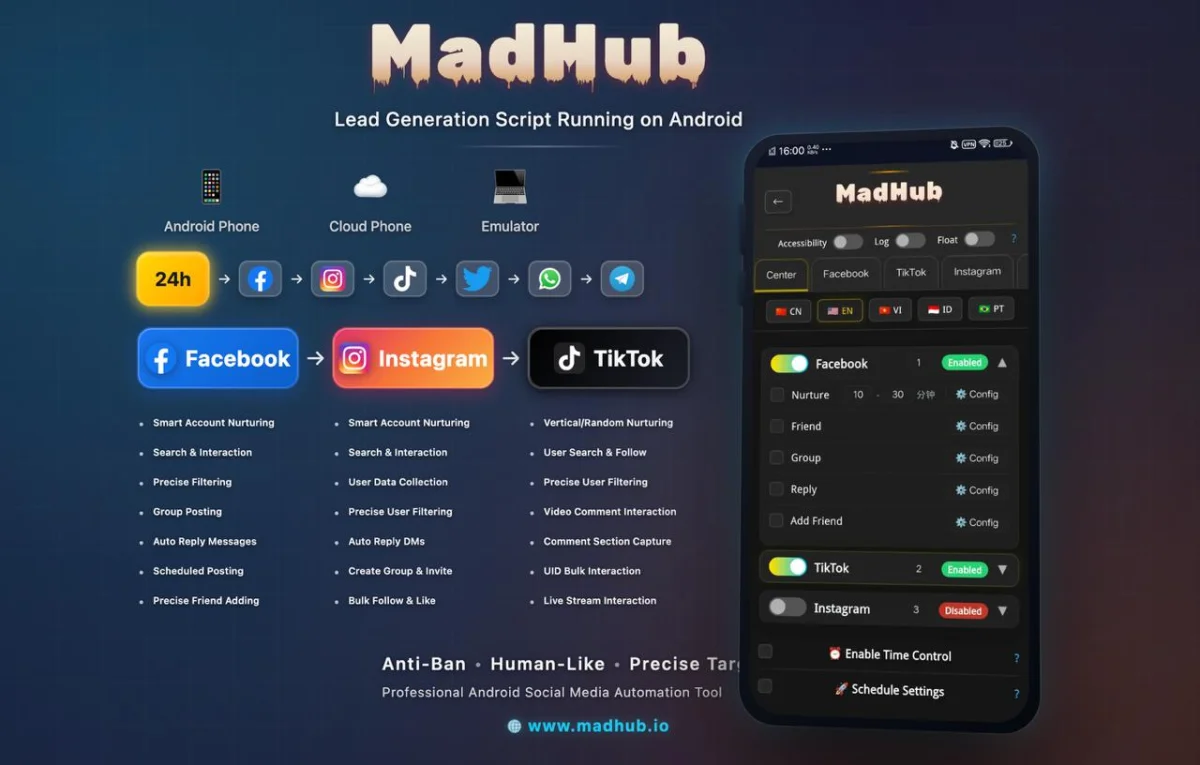
- Performance Metrics Analysis: Utilize analytics tools integrated within your bot's framework (for example MadHub) for insights on response times and drop-off rates.
Specific Parameters/Settings That Often Need Adjustment During Troubleshooting
Common settings requiring adjustment include:
- Time zone configurations
- Message routing algorithms
- User segmentation based on behavior patterns
Adjusting these parameters often resolves frequent operational hiccups experienced by many users across different industries.
Configuring Your Facebook Bot for Optimal Performance
Essential Settings and Best Practices
To enhance performance effectively:
- Response Times Optimization: Configure your bot’s response times based on typical user engagement patterns observed through analytics data.
- Interaction Rates Monitoring: Regularly evaluate how often users engage with certain features within your chatbot interface; adjust prompts accordingly based on this interaction feedback.
Real-world cases reveal that retailers who optimized their response settings reported increased customer satisfaction scores alongside elevated sales figures post-adjustments—a clear benefit derived from mindful configurations!
Enhancing User Interaction Through Effective Scripting
Crafting Engaging Responses for Common Queries
Creating templates tailored around frequently asked questions (FAQs) can fundamentally improve user experiences:
- For order status inquiries: “Your order #[Order Number] is currently being processed! We’ll notify you once it ships.”
Data shows well-scripted engagements lead not just towards positive responses but also higher retention rates among users interacting more frequently with intuitive reply systems established via chatbots.
Implementing Redundancies and Backup Systems
Ensuring Consistent Service Availability
Implementing fallback mechanisms ensures consistent service availability even when primary systems fail:
- Create secondary bots designed solely for emergencies that activate when primary ones encounter difficulties handling automated tasks.
- Develop fallback responses ensuring standard inquiries receive answers despite technical mishaps originating elsewhere in operation processing pipelines.
Success stories abound where companies utilized redundant structures effectively salvaged crucial engagements during unexpected downtimes caused by technical glitches—the result? Enhanced trustworthiness perceived among clientele over time!
Advanced Debugging Techniques for Experienced Users
Using Log Analysis Tools Effectively
For proficient users seeking deeper insights into operations:
- Leverage log analysis tools like Splunk or ELK Stack (Elasticsearch + Logstash + Kibana).
- Monitor key performance indicators related directly back onto their respective functionalities tracking problem areas seamlessly while providing visual representations aiding quick decision-making processes efficiently!
Examples from live scenarios demonstrate how utilizing such advanced methodologies led organizations swiftly identifying root causes behind recurring inefficiencies without resorting backtracking cumbersome manual checks repetitively each time an issue arises unexpectedly disrupting workflows adversely impacting overall productivity levels significantly diminishing return-on-investment metrics along those lines!
Leveraging Community Support and Resources
Finding Help Through Forums and Groups
Engaging actively within communities dedicated specifically towards refining skills revolving around automating interactions via facebook group platforms assists tremendously! Notable suggestions involve joining forums focusing explicitly upon developers’ discussions linked closely together sharing experiences amongst peers addressing potential pitfalls commonly encountered throughout implementation phases extensively explored thereon gathered firsthand knowledge willingly exchanged freely contributing toward collective learning enhancing growth integrating peer-to-peer feedback loops fostering environments nurturing creativity driving innovation forward continually yielding fruitful results overtime collaboratively achieved jointly participatory efforts undertaken collectively harnessed synergistically apply themselves diligently onward progressing steadily beyond challenges faced previously tackled resolutely together ultimately culminated successes shared joyously!