How to Access the Facebook Account Activity Tool
To access the Facebook Account Activity Tool, follow these steps:
-
Log into Your Facebook Account: Open your web browser and go to Facebook. Enter your credentials.
-
Navigate to Settings:
- Click on the downward arrow in the top right corner.
- Select "Settings & Privacy" from the dropdown menu.
- Choose "Settings".
-
Locate Activity Log:
- In the left sidebar, find and click on “Your Action History”.
- This section gives you access to all activities associated with your account.
-
Explore Different Sections: The tool displays various aspects like posts you’ve liked, comments made, and friend requests sent.
Visual aids can be helpful here; consider including screenshots of each step.
Troubleshooting Login Problems with the Account Activity Tool
If you're facing login issues, try these solutions:
-
Check Your Credentials: Ensure that both your username and password are entered correctly.
-
Password Recovery Options:
- If you've forgotten your password, use Facebook's recovery option by clicking “Forgot Password?” on the login page.
- Follow prompts sent via SMS or email for recovery.
-
Account Lockouts:
- If you’re locked out due to suspicious activity, Facebook will often send a notification with steps for unlocking it.
Understanding Permissions Required by the Activity Tool
The activity tool requires certain permissions for optimal use:
- It needs access to view interactions across different sections of your profile (likes, comments).
Configuring Privacy Settings for Optimal Use
- Navigate back to "Settings".
- Click on “Privacy” in the left column.
- Adjust settings according to how public or private you want specific activities shared with others.
Always ensure you're comfortable sharing data before granting permissions.
Analyzing Your Account Data Using the Activity Tool
To effectively interpret data from this tool:
Effective Methods to Interpret Your Data Insights
-
Regularly check which posts have high engagement rates versus low engagement types.
-
Identify patterns over time—notice what content gets more likes or shares during particular periods (e.g., weekends).
Case Studies
While no specific case studies are retrieved during this search phase due to lack of available resources, analyzing user engagements regularly can help tailor content strategies effectively.
Managing Notifications from the Activity Tool Effectively
Customizing Notification Settings
- Go back into “Settings.”
- Find “Notifications” under settings where you can modify how often notifications appear regarding activity logs.
Managing notifications helps maintain focus without distractions.
How to Utilize Filter Options within the Tool
Filtering options assist in narrowing down significant activities:
Advanced Techniques for Filtering Activities
-
Use filters such as date ranges or types of interactions (likes vs comments).
-
Example usage might include filtering all comments made within a specific month when evaluating feedback trends during campaigns.
These filtering techniques help streamline analysis efforts significantly!
Identifying Suspicious Activities through the Activity Log
Monitoring unusual behavior should become routine practice:
Practical Steps to Monitor Unusual Behavior
- Set aside weekly times specifically dedicated toward reviewing past week's actions logged through this tool.
Responses if Suspicious Activities are Detected:
- Immediately change your password and enable two-factor authentication if unauthorized use is detected!
Enhancing Security with Two-Factor Authentication Post Usage
Once you're familiarized using tools like this one:
Setting Up Two-Factor Authentication
-
From "Security and Login", scroll down until finding ‘Two-Factor Authentication’.
-
Enable it by following setup prompts (you’ll need either an authenticator app or a phone number).
This added layer ensures only authorized personnel gain entry!
Best Practices for Regular Maintenance of Your Facebook Account
Ensure account health remains intact through consistent practices:
Strategies To Keep Accounts Healthy & Active
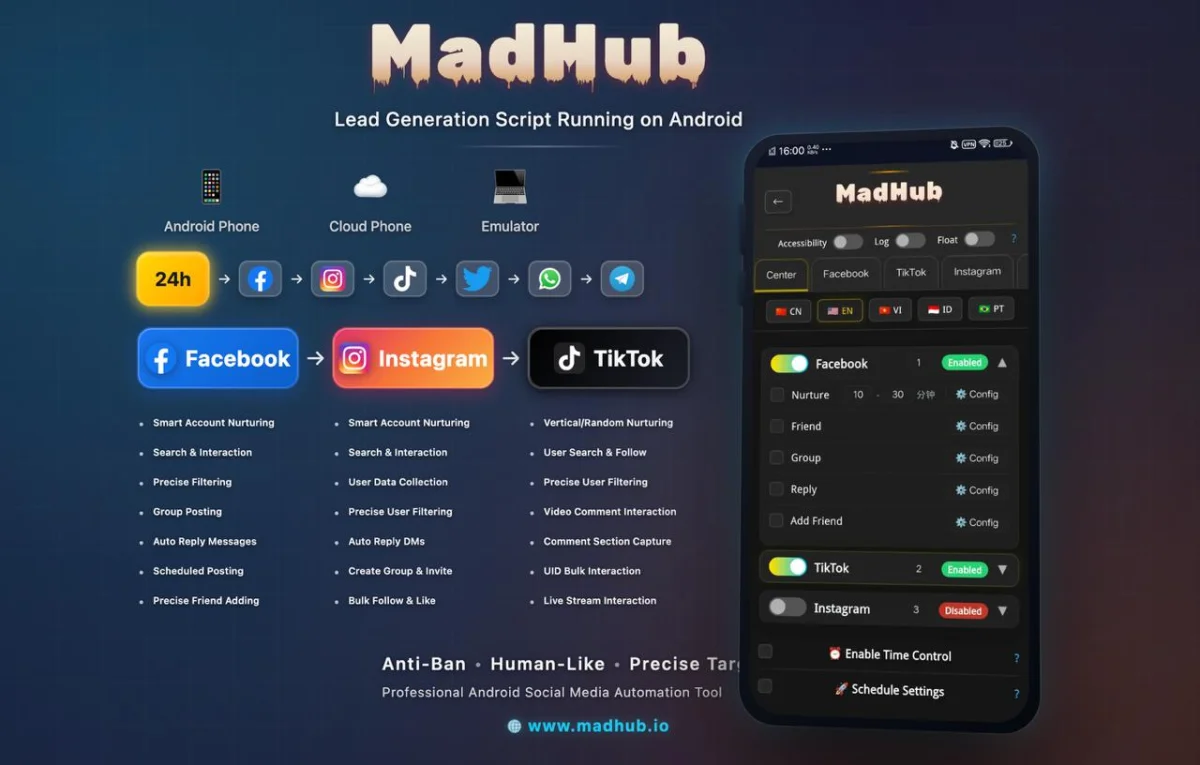
- Regularly review privacy settings after using automation tools like MadHub that interact heavily with accounts—this ensures compliance against sudden platform changes affecting user experiences!
Consider scheduling bi-weekly checks specifically focusing around engaged content performance metrics found via analytical features too!