Implementing a User Filtering Tool in Tkinter with MadHub
Step-by-Step Guide to Setting Up the Filter Widget
To create an effective user filtering tool, follow these steps:
-
Install MadHub: Begin by installing MadHub on your Android device or emulator. This is crucial as it serves as the foundation for developing the application.
-
Create a New Project: Initialize a new project within the MadHub interface, selecting the option to create a Tkinter GUI framework.
-
Design Layout:
- Add an
Entrywidget that allows users to input their filter criteria (e.g., usernames or other identifiers). - Include a
Listboxwidget for displaying filtered results based on user input.
- Add an
This setup will enable users to interactively type their queries and receive instant feedback through visible changes in the Listbox.
Configuring the Filter Logic in Your Application
Detailed Parameters and Settings for Effective Filtering
To ensure that your filter operates smoothly:
-
Set up event bindings within Tkinter so that any change made in the
Entrywidget triggers updates in theListbox. Use: -
In your
update_listboxfunction, apply string matching techniques such as usingstr.startswith()orstr.contains(). The following code snippet demonstrates how this logic can be implemented:
This dynamically filters items based on user input while maintaining responsiveness during typing.
Enhancing User Experience with Interactive Feedback Mechanisms
Adding Visual Cues During Filtering Process
Improve usability further by integrating visual cues:
- Highlight filtered items directly within the Listbox.
- Provide loading indicators when processing large datasets to inform users about ongoing operations.
For instance, you can modify selected items’ background color when they match search criteria:
This gives immediate visual feedback that enhances interactivity and keeps users engaged.
Practical Example: Building a Simple User Directory Filter Tool
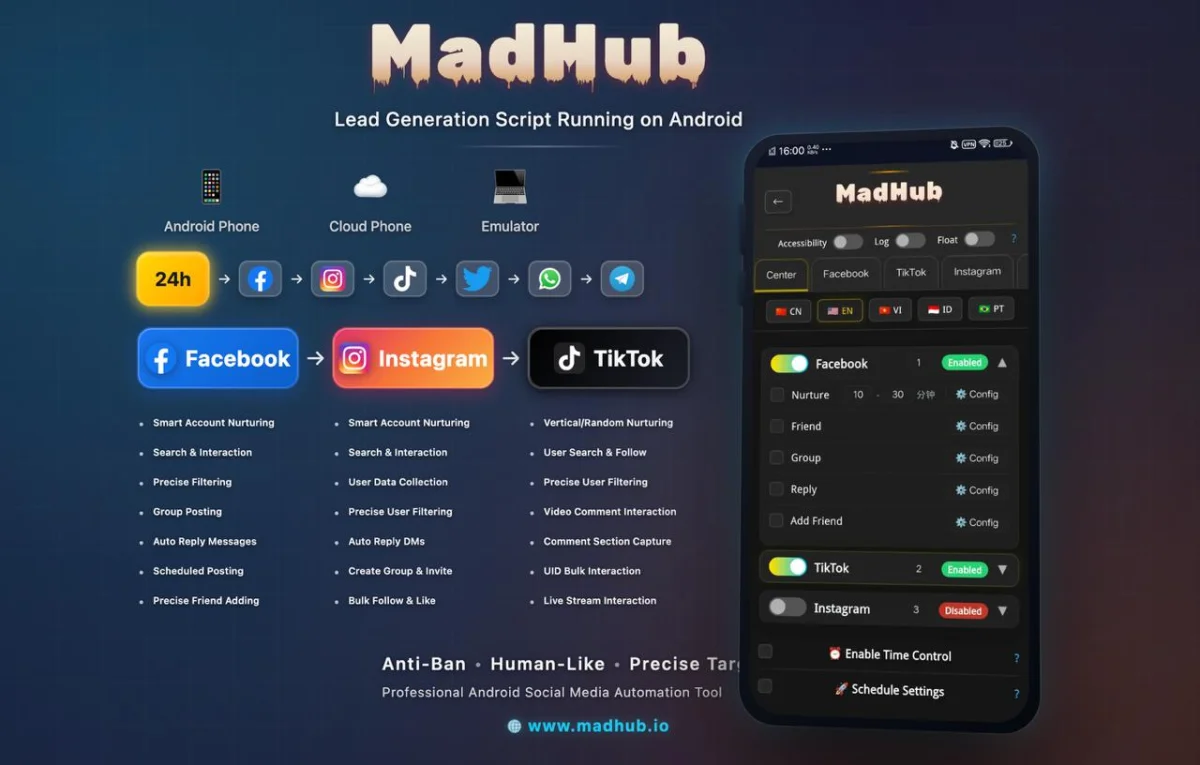
Real-life Use Case Scenario Using MadHub's Features
Consider creating a directory application where users can filter through names or usernames efficiently:
- Layout Design: As previously discussed—utilize Entry widgets along with Listboxes.
- Adding Data Source: Populate your ListBox from an array of sample usernames (e.g., fetched from TikTok profiles).
The following example showcases how this structure appears visually and functions effectively—providing organized data retrieval at its best.
Advanced Techniques: Optimizing Performance of Your Filter Widget
Tips for Ensuring Smooth Functionality Even with Large Datasets
When working with larger datasets:
- Implement lazy loading of content into the ListBox only when necessary—fetch additional data as required rather than preloading everything upfront.
- Utilize pagination or segment results into manageable chunks; this reduces strain on both UI responsiveness and system resources.
Such optimizations are essential especially as more complex features are added like real-time updates from external APIs typically used across platforms like TikTok.
Integrating Additional Filters Based on User Interaction
How to Layer Multiple Filters for Better Data Segmentation
Beyond simple text searching capabilities:
- Incorporate dropdown menus or checkboxes alongside text entry fields enabling multi-faceted filtering options based upon various parameters (like demographic filters).
Example usage could involve setting up multiple categories whereby users may select interests alongside typing keywords which require cumulative assessments before returning final results back onto our output screen respectively displayed via lists created earlier using tkinter constructs mentioned above!
Testing Your Filtering Tool's Usability and Effectiveness
Methods for Gathering User Feedback on Your Application’s Filter Feature
Collecting efficient feedback becomes imperative post-launch; viable strategies involve utilizing surveys distributed among initial testers during beta phases offering insights regarding ease-of-use effectiveness over time tracking preferences based around interacting patterns observed directly throughout general usage sessions collected thru analytics incorporated deeply linked across every action taken regularly performed involving core functionalities established herein brought forth sharing insights gained overall discovered thus far connecting amongst communities!
Troubleshooting Common Issues When Implementing Filters in Tkinter
Solutions for Frequent Problems Encountered by Developers
Common issues developers face while implementing filters often involve experiencing empty result lists due number mismatches along similar occurrences faced concerning performance lags particularly significant towards dynamic resizing windows combined alongside UI glitches usually surfacing prominently just after making adjustments continuously tied synchronization processes without proper validation checks hence valid error handling mechanisms must always accompany feature rollout prepared beforehand ensuring seamless interaction hassle-free journeys embarked upon whilst leveraging each respective toolkit offered freely available online today!
Future Trends: Evolving User Expectations of Filtering Tools in Apps
Predictions About How Filtering Needs May Change Over Time
As app ecosystems evolve continually adapting toward innovative enhancements reflecting increasing reliance observed accordingly stemming directly derived perspectives articulated surrounding individual experiences shared globally reflects clear demands ultimately driving forward seeking greater sophistication implemented thereby yielding flexibility beyond traditional expectations witnessed previously heralded transitions leading us onward paving pathways continually broadened horizons anticipated fulfilling forthcoming trends dictated prominently extending naturally arising engagement demand landscapes existing environments thriving abundantly!