优化后的文章内容
Understanding the Common Causes of Posting Failures on Instagram
Posting failures on Instagram can be frustrating and significantly impact engagement rates. The main reasons for these failures often stem from network issues, app glitches, or user errors. Users frequently encounter error messages such as “Unable to Post,” “Network Error,” or “Media Type Not Supported.” Understanding these error messages is crucial for addressing the underlying problems effectively.
Analyzing Error Messages and Situations
Examining error messages reveals much about why posts fail. For instance:
-
Network Issues: A "Network Error" message typically indicates connectivity issues. Ensure a stable internet connection before attempting to post again.
-
App Glitches: Occasionally, the application may misbehave due to bugs or outdated versions. Regularly updating your Instagram app helps mitigate this risk.
By addressing these common scenarios and understanding how using a mobile social media automation tool like MadHub can aid in preventing future issues.
Setting Up MadHub for Effective Management of Instagram Posts
To manage your Instagram account effectively and avoid posting failures, setting up MadHub correctly is essential.
Step-by-Step Guide to Configuring MadHub for Your Account
-
Installation:
- Download and install MadHub on an Android device or an emulator like BlueStacks.
- Follow installation prompts until setup completion.
-
Configuration Settings:
- Open MadHub after installation.
- Log into your Instagram account using secure credentials.
- Adjust settings by navigating to configuration options where you can specify interaction probabilities (e.g., likes, comments).
- Ensure parameters are set according to audience preferences—this includes time zones and active hours when engaging with posts.
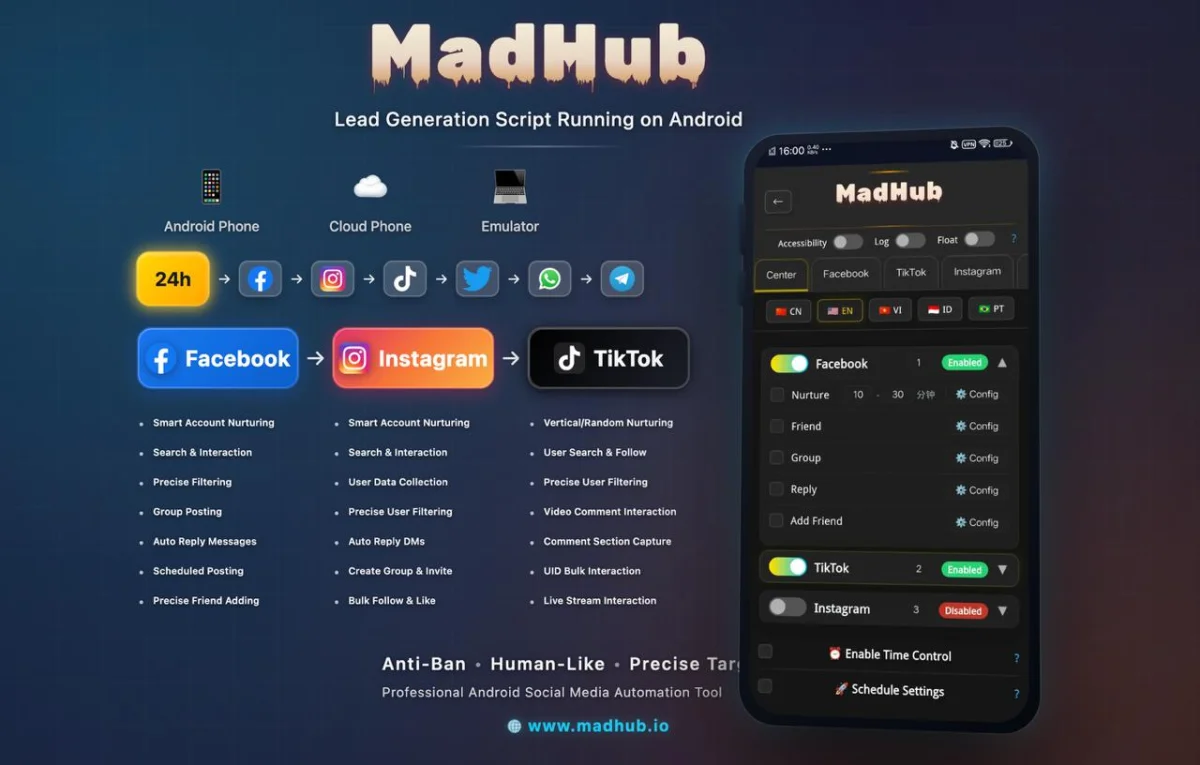
These steps ensure optimal performance regarding postings on Instagram using MadHub's intuitive interface designed specifically for Android devices.
Utilizing Automation Tools to Prevent Future Posting Issues
Automation tools like MadHub streamline content scheduling, thus preventing last-minute posting issues caused by oversight or technological hiccups.
Implementing Scheduled Posts with MadHub
-
Setting Up Automated Posting Schedules:
- Within the dashboard of MadHub, locate the scheduling feature.
- Select preferred days/times for posts based upon peak engagement periods identified through analytics insights.
-
Timing & Frequency Settings Enhancing Engagement:
- Frequent but varied timing schedules tend to keep audiences engaged without feeling spammed.
- Recommended settings include spacing out posts at least 3-4 hours apart depending on audience size; adjust frequency accordingly based upon observed interactions over time.
These strategies ensure that content reaches followers when they are most active while minimizing chances of encountering errors during manual postings directly through their application interface!
Engaging with Your Audience through Automated Interactions
Engagement doesn't stop at just posting content; automating certain interactions ensures continual communication flow with followers, enhancing brand loyalty significantly over time via platforms like Instagram—a vital part of modern digital marketing strategies today!
Leveraging User Interaction Features in MadHub
MadHub allows users efficiently automate likes/comments/follows by following best practices:
- Only interact within limits defined by platform rules ensuring against spamming behaviors likely leading toward potential account suspension risks violating terms laid down by each respective service provider involved here!
- Utilize AI features designed into program allowing personalized responses tailored towards incoming inquiries directed back towards business objectives set forth initially beforehand throughout implementation stages applied across entire operations desired outputs established earlier along lines drawn from customer feedback gathered previously too...
Case studies show brands utilizing this method see upsurge engagements rates upwards reaching almost 40% more than those relying solely manual efforts alone without any support offered outside traditional means available usually otherwise lacking innovation often required maintaining competitive edge overall industry market space nowadays increasingly crowded full though still viable prospects remain sure!